
As we get older, staying active, independent and confident on our feet becomes more important than ever. The good news? Many falls are preventable, and small changes can make a big difference.
A fall is when someone unintentionally comes to rest on the ground or a lower level. While falls are common, they are not a normal or inevitable part of ageing, and there is a lot we can do to reduce risk.
Falls usually happen due to a combination of factors rather than a single cause. As we age, natural body changes can occur including reduced vision or hearing, slower reaction times, reduced muscle strength, changes in balance and coordination, and reduced flexibility.
Many people also live with chronic conditions such as arthritis, Parkinson's disease or neurological conditions, which can affect movement and balance. Some medications can also cause side effects like dizziness, drowsiness or drops in blood pressure, which may increase fall risk.
Environmental factors can also play a role, including poor lighting, slippery floors, loose rugs or clutter, and unfamiliar environments.
Research shows there are many effective ways to reduce fall risk and maintain independence. Here are some of the most important strategies:
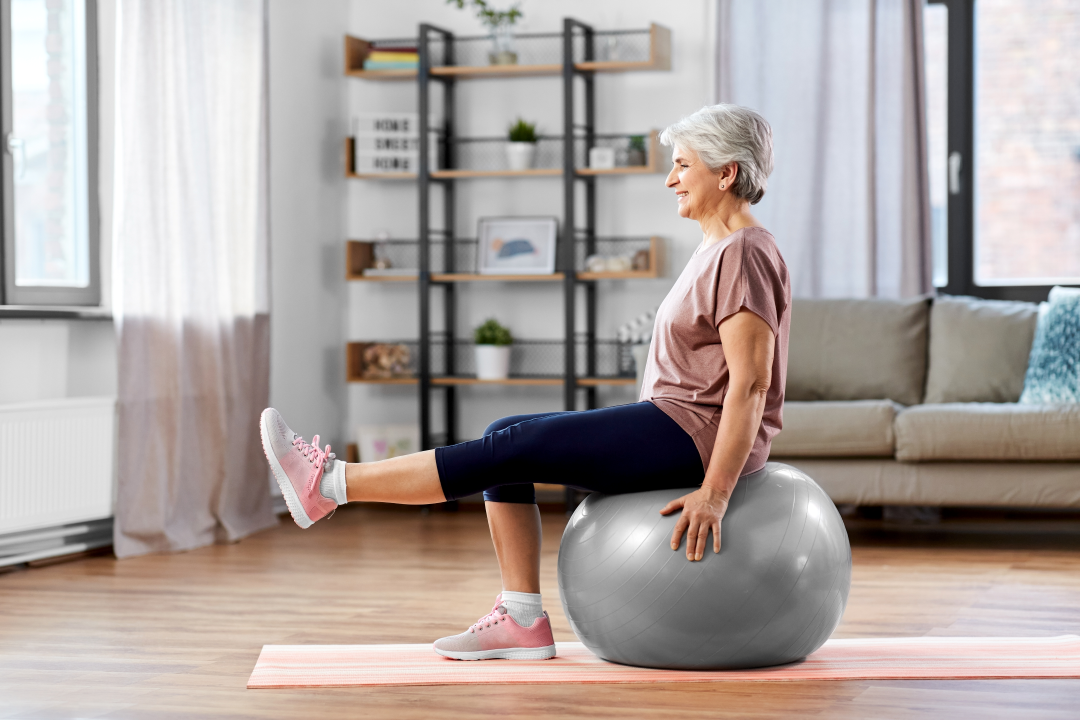
Strength and balance exercise: Regular exercise is one of the most powerful tools for preventing falls. Strength training, walking, hydrotherapy, yoga and physiotherapy programs all help maintain muscle strength, balance and mobility.
Medication review: Regular GP or pharmacist reviews can help identify medications that may increase fall risk.
Vision and hearing checks: Updated glasses and hearing support can significantly improve safety and environmental awareness.
Home safety modifications: Simple changes like removing loose rugs, improving lighting or installing handrails can make homes much safer. Occupational therapists can assist with home safety assessments.
Appropriate footwear: Shoes with good grip, support and low heels can improve stability.
Assistive equipment when needed: Canes, walkers or other supports can help maintain independence and confidence when prescribed correctly.
Vitamin D where appropriate: Vitamin D may help reduce falls risk in some older adults.
Move slowly when standing: Taking time when moving from lying to sitting to standing helps prevent dizziness.
Limit alcohol intake: Alcohol can affect balance, coordination and reaction time.
At AllCare, our goal is to help you stay active, confident and independent so you can keep doing the things you love.
We can help by:
Falls can impact confidence, independence and quality of life, but with the right support, many falls are preventable. If you or a loved one are worried about balance, mobility or falls risk, early assessment and targeted exercise can make a huge difference.
AllCare Physio, keeping you on track.
Frances graduated from La Trobe University with a Bachelor of Applied Sciences and Masters in Physiotherapy in 2020. She grew up on the North West Coast of Tasmania and has a strong commitment to the local community and to providing care that goes beyond the immediate injury.


