Welcome back to AllCare’s quarterly newsletter, where you can find what has been happening within the AllCare community over the last few months.
For this Autumn newsletter:
Clinic news
Concussion with Issy Warner
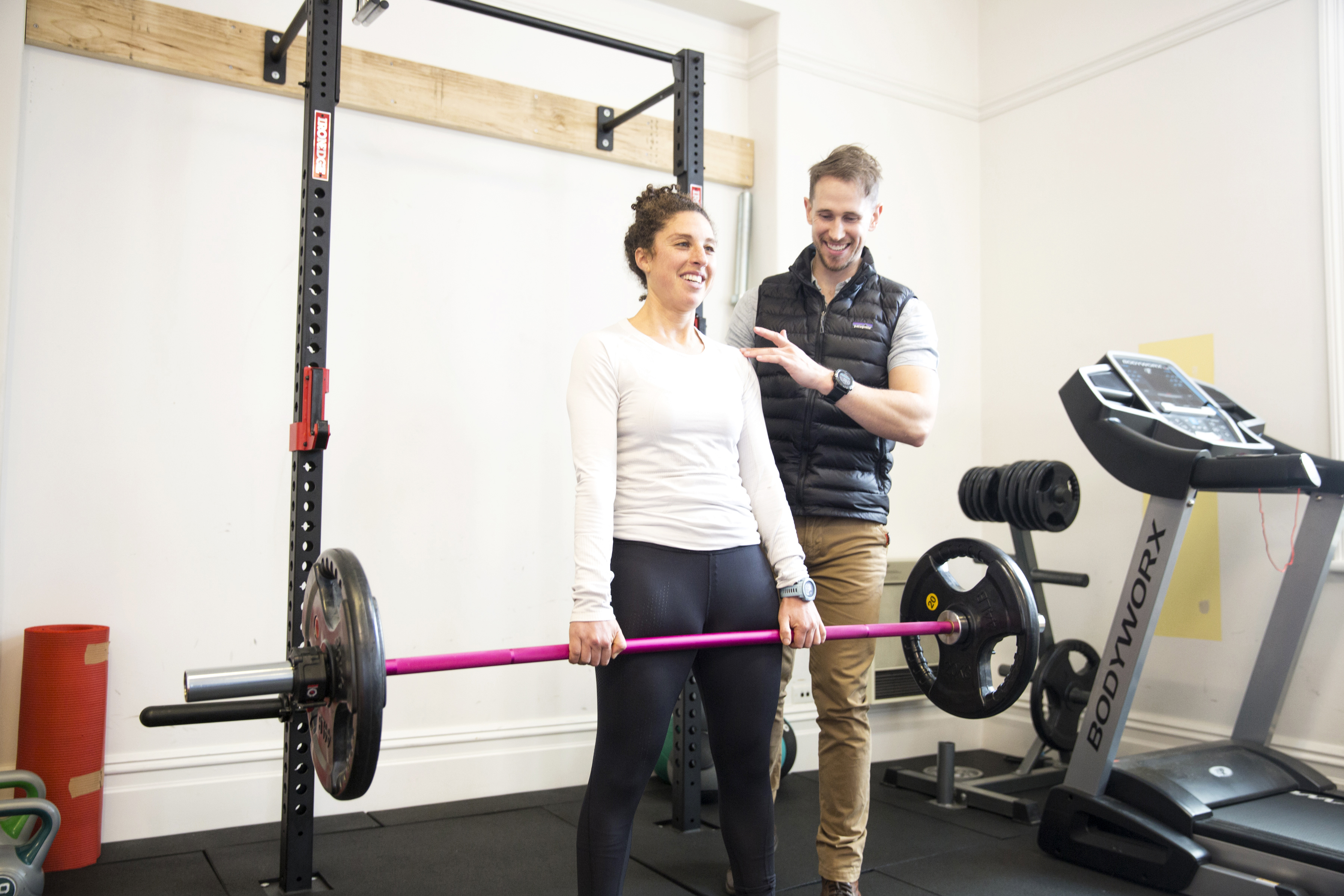
Pre-season injury prevention with Alec Ganeo
Falls Prevention with Frances
Autumn recipe with Lucy
Farewell to Maria Kallas 💚
It is with mixed emotions that we say farewell to Maria Kallas, one of the founding directors of AllCare Physiotherapy.
Maria has played an enormous role in shaping AllCare into the clinic and community it is today.
Her passion for physiotherapy, commitment to patient care, and dedication to building a supportive and high-performing team will leave a lasting impact on all of us. Many of our patients will know Maria as our shoulder specialist:
her knowledge, skill and experience in this area are second to none. She is also widely known (and loved!) for being an absolute wizard with dry needling, helping countless patients achieve pain relief and improved function.
Beyond her clinical skills, Maria has brought personality, energy and style to the clinic every single day. She is, and always will be, our resident fashion queen!
Maria will be terribly missed, not only as a clinician and director, but as a mentor, colleague and friend to so many of us.
We are incredibly grateful for everything Maria has contributed to AllCare and the lives of our patients over the years. We wish her every success and happiness in her next chapter.
Farewell to Janneke 💚
We are also sadly saying goodbye to our wonderful receptionist, Janneke, who will be moving back home to Germany.
Janneke has been such a valued part of the AllCare team
Always welcoming patients with a warm smile and helping keep the clinic running smoothly. She will be greatly missed by staff and patients alike.
And of course, we will also miss hearing about (and seeing photos of!) her very cute farm animals, who have been honorary AllCare mascots over the years on the slideshow 🐓🐐
We wish Janneke all the very best for her next chapter back home.
Concussion - by Isabelle Warner
Concussion is a mild traumatic brain injury occurring due to force to the head or anywhere on the body, which results in impact forces to the brain/head. This temporarily disrupts normal functioning of the brain and associated structures resulting in symptoms
such as:
Headaches
Dizziness
Vision changes
Feeling “foggy”
More emotional or irritable
Sleep disruptions
Balance changes
Nausea/vomiting
Drowsiness
Fatigue
Neck pain
Difficulty remembering
Light or noise sensitivity
If any of the following clues or symptoms present following an injury, a concussion should be assumed and therefore immediate removal from play. Symptoms may not present for hours to days after initial impact. Please be aware of any red flags, which require
urgent medical attention (table one).
What to do?
24-48 hours of complete brain and body rest is required post concussion, such as a quiet, low stimulus environment with minimal screen use.
After the initial 24-48 hour rest our physiotherapists at AllCare Physio who have a special interest in concussion management can assist you to complete a graded return to learn/work/play incorporating evidence based practice.
Most concussion symptoms are mild and settle quickly, however there can be structures or body systems affected that cause prolonged symptoms, which our physiotherapy team can assess and provide intervention for such as:
Comprehensive concussion assessment
Balance and dizziness rehabilitation
Neck assessment and treatment
Visual and coordination training
Assessment of the autonomic nervous system and heart rate based training advice
Graded return to sport, learning and work advice
Education
AllCare concussion clinic:
Our team are committed to providing timely assessment and care for anyone who sustains a concussion and ensure the Tasmanian community feel supported and well informed. If a concussion is suspected contact AllCare physiotherapy for an assessment and learn how
physiotherapy can help for all ages.
Table one:
Neck pain
Loss of consciousness
Vomiting
Seizure or convulsion
Weakness or tingling/burning in more than 1 arm of in the legs
Severe or increasing headache
Double vision
Deteriorating conscious state
Increasingly restless, agitated or combative
GSC < 15
Visible deformity of the skull
Pre-Season Injury Prevention by Alec Ganeo
With the new year kicking off strong, many people will be returning to sport after some time off over the holiday season. Regardless of your sporting level (social, amateur, or professional), the start of a new season often comes with a spike in injury rates.
This is usually due to players returning to high levels of training and competition after a period of rest.
Following some simple steps during this time can help ensure you are putting yourself in the best possible position to perform well, and stay safe while doing it.
What causes injuries during the pre-season?
Sudden increases in training load
Reduced strength after a period of rest/decreased activity
Previous injuries that may become vulnerable if not properly addressed
Key strategies to reduce injury risk
Re-conditioning The most important thing is not to go too hard, too soon. You have likely lost some strength and conditioning over the break, so it’s important to gradually reintroduce load during the build-up to the season. This may mean reducing gym weights,
running distances, or overall training intensity initially, and then SLOWLY increasing these over time
Strength training Developing a good baseline of strength helps make the body more resilient to injury. Regardless of your sport, strength training is crucial so your muscles and joints can tolerate the demands placed on them, and should be performed at least
twice per week.
Address old injuries Previous injuries can remain vulnerable and increase your risk of re-injury if they haven’t been fully addressed. Adding targeted rehabilitation exercises can help reduce this risk.
Warm-up and cool-down The benefits of a proper warm-up and cool-down cannot be overstated. Cold muscles are more prone to injury, so ensure your warm-up gradually increases heart rate and prepares all major muscle groups. Cooling down can also aid recovery
and reduce post-training soreness.
Listen to your body. Your body often gives warning signs when it’s reaching its limit. If it is trying to tell you to stop, then you should stop! It is better to temporarily back off then to risk injuring yourself.
A well-structured pre-season re-loading program takes time, so it’s best to start early and allow yourself plenty of opportunity to rebuild strength and address any deficits. If you have concerns or a history of injury, consider seeing a physiotherapist or
exercise physiologist to help design a plan tailored to your needs.
Staying Strong, Steady and Independent: Falls Prevention for Healthy Ageing by Frances Roberts
As we get older, staying active, independent and confident on our feet becomes more important than ever. The good news? Many falls are preventable, and small changes can make a big difference.
A fall is defined as an event where a person unintentionally comes to rest on the ground or a lower level. While falls are common, they are not a normal or inevitable part of ageing, and there is a lot we can do to reduce risk.
Why do falls become more common with age?
Falls usually happen due to a combination of factors, rather than just one single cause.
As we age, natural body changes can occur, including:
Reduced vision or hearing
Slower reaction times
Reduced muscle strength
Changes in balance and coordination
Reduced flexibility
Many people also live with chronic conditions such as arthritis or neurological conditions, which can affect movement and balance. Some medications can cause side effects like dizziness, drowsiness or drops in blood pressure, which may increase fall risk.
Environmental factors can also play a role, such as:
Poor lighting
Slippery floors
Loose rugs or clutter
Unfamiliar environments
The good part: Falls CAN be prevented
Research shows there are many effective ways to reduce fall risk and maintain independence.
Here are some of the most important strategies:
✔ Strength and Balance Exercise
Regular exercise is one of the most powerful tools for preventing falls. Activities like strength training, walking, hydrotherapy, yoga and structured physiotherapy programs help maintain muscle strength, balance and mobility.
✔ Medication Review
Regular GP or pharmacist reviews can help identify medications that may increase fall risk.
✔ Vision and Hearing Checks
Updated glasses and hearing support can significantly improve environmental awareness and safety.
✔ Home Safety Modifications
Simple changes like removing loose rugs, improving lighting or installing handrails can make homes much safer. Occupational therapists can assist with home safety assessments.
✔ Appropriate Footwear
Shoes with good grip, support and low heels can improve stability.
✔ Assistive Equipment When Needed
Canes, walkers or other supports can help maintain independence and confidence when prescribed correctly.
✔ Vitamin D (Where Appropriate)
Vitamin D has been shown to help reduce falls risk in some older adults.
✔ Move Slowly When Standing
Taking time when moving from lying → sitting → standing helps prevent dizziness from blood pressure changes.
✔ Limit Alcohol Intake
Alcohol can affect balance, coordination and reaction time.
How Physiotherapy Helps
At AllCare Physio, we focus on helping people stay active, safe and independent for as long as possible.
We can help by:
Assessing individual falls risk factors
Improving strength, balance and mobility
Providing personalised exercise programs
Recommending appropriate walking aids
Working with your GP and other health professionals
Supporting confidence to stay active in daily life
The Takeaway
Falls can have serious impacts on confidence, independence and quality of life — but with the right support,
many falls are preventable.
If you or a loved one are worried about balance, mobility or falls risk, early assessment and targeted exercise can make a huge difference.
Hello from Frances! 👋
Hi everyone,
I just wanted to say hello and let you know how much I miss you all!
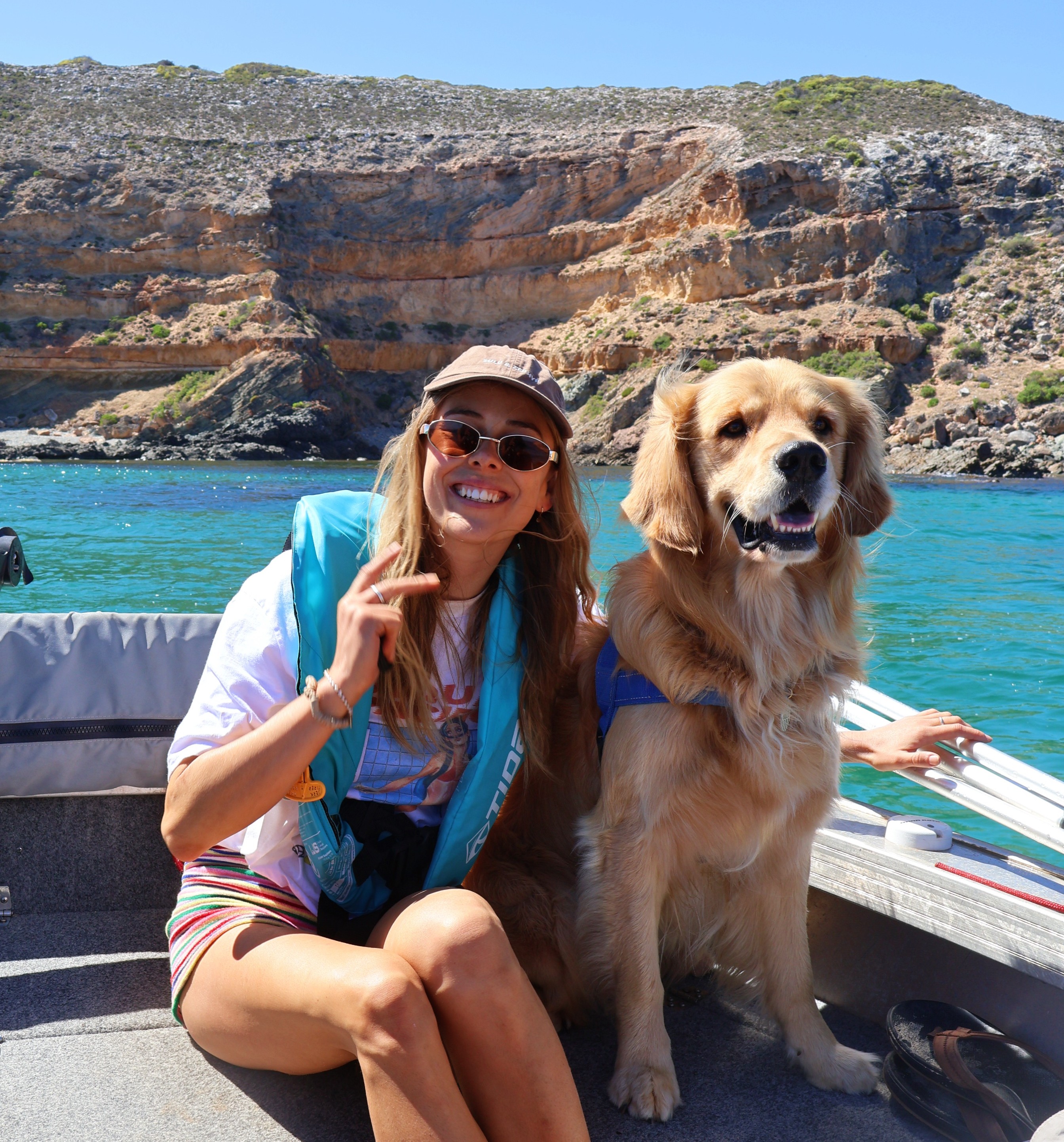
I’m currently in Western Australia in Margaret River, where we’ve been surfing every day and making the most of the beautiful coastline. We feel very lucky getting to spend so much time in the ocean!
Over the next few weeks, we’ll be starting to head further north towards Ningaloo Reef, where we’re very excited to do lots of snorkelling and exploring.
Billy is having an amazing time and is loving all the new beaches and adventures.
I’m really looking forward to seeing you all again soon!
— Frances
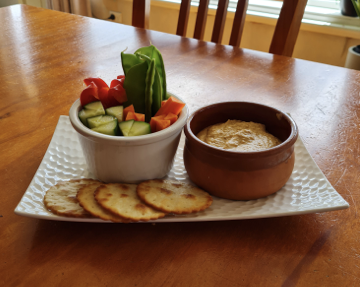
Lucy's Autumn Hummus Recipe
Ingredients
1 tin chickpeas
1/3 cup tahini
1 large clove garlic
1 tsp ground cumin
¼ tsp ground coriander
¼ tsp paprika
Juice of 1 lemon
2 tbs cold water (more if needed)
Salt and pepper to taste
1/4 – 1/3 cup olive oil
Optional – 3 x sundried tomato halves
Method
Place all ingredients except olive in food processor and process on high speed whilst slowly drizzling in olive oil. Scrape down sides from time to time and continue to process until smooth consistency. If extra water is needed you can add a couple of ice cubes
while the motor running, until ice dissolves. This will also assist with smooth consistency. Adjust seasoning to taste until desired consistency and taste achieved.
Keep covered and stored in fridge for up to week.
Feedback
AllCare are always appreciative of feedback from our staff, patients and referrers of the clinic. If you would like to get in touch please contact our practice manager, Lucy Archer, at
lucy.archer@allcarephysio.com.au or Call
6224 9777.